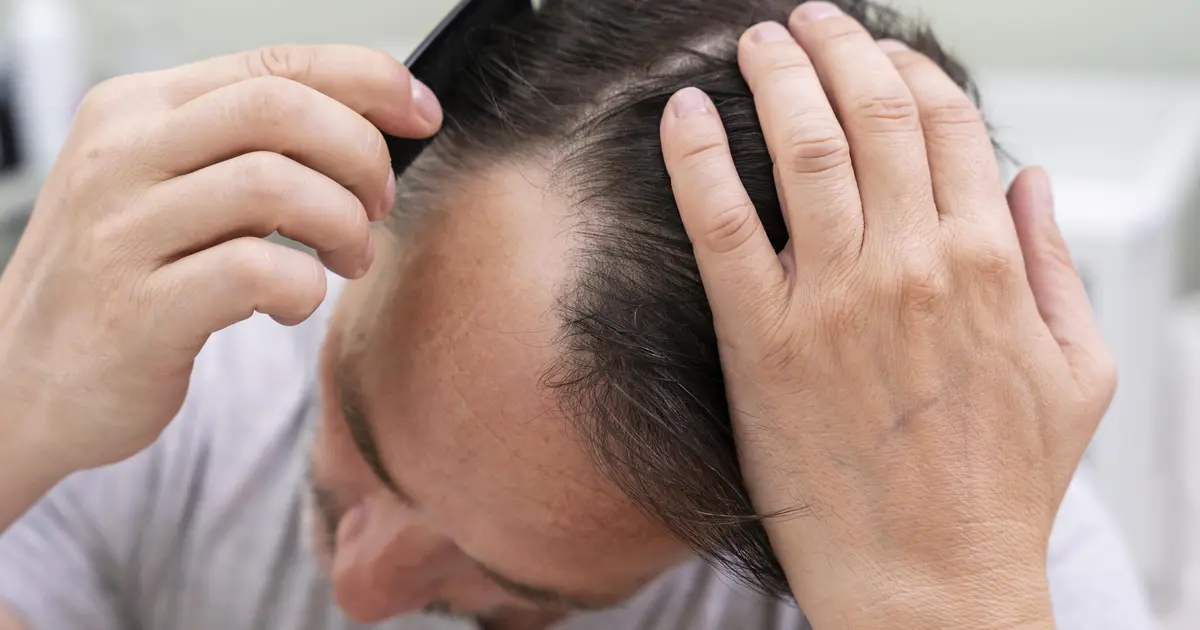
Pattern baldness, or androgenetic alopecia, is a common condition affecting approximately one-third of the world's population. The primary causes include genetics, environmental factors, nutritional deficiencies, and hormonal imbalances.
The mechanism of hair loss involves damage to hair follicles, which become miniaturized due to these factors. Over time, follicles lose their ability to regenerate, resulting in hair loss.
There are several methods available to address this condition.
1. Reduce masturbation for hormonal balance
Reducing or quitting masturbation may have implications for hormonal balance. During masturbation, the body produces various hormones, including testosterone, which is converted to dihydrotestosterone (DHT). This byproduct directly impacts hair follicles on the scalp, where specific receptors for DHT exist.
Elevated levels of DHT can lead to the damage and miniaturization of hair follicles, reducing their ability to regrow hair. Over time, this process manifests as bald patches, with the progression typically occurring over several years.
Reversing or mitigating this condition similarly requires a sustained effort and patience, as the changes do not happen overnight.
2. Reduce smoking and alcohol consumption
Smoking has been shown to have detrimental effects on various systems within the body, including the health of hair follicles. The harmful substances in cigarettes can impair blood circulation, reducing the delivery of essential nutrients to hair follicles and contributing to hair loss. Quitting smoking is beneficial for overall health and can help restore hair vitality. While stopping may be challenging, gradual reduction and self-discipline can facilitate this process.
Similarly, alcohol consumption can negatively impact hair follicle health. Excessive alcohol intake can disrupt hormonal balance and nutrient absorption, further worsening hair loss. Maintaining moderate alcohol consumption is advisable to support hair health.
3. Boost hair follicle health through improved blood circulation
For hair follicles to stay healthy, they require a steady supply of nutrients, which are delivered through the blood circulating in your body. When blood circulation is reduced, fewer nutrients reach the scalp, leading to hair follicle miniaturization and potentially hair thinning.
One effective way to combat this is by incorporating more physical activity into your daily routine. Studies show that regular cardiovascular exercise, such as jogging, walking, or cycling, can improve blood circulation and lower blood pressure. This enhanced circulation ensures that essential nutrients are efficiently delivered to all parts of the body, including the scalp.
In addition to exercise, it's important to avoid prolonged periods of sitting throughout the day. Keep your body moving whenever possible, whether through light stretches, short walks, or standing breaks. Younger individuals may benefit from more intense physical activities like gym workouts, yoga, or other fitness routines to further promote blood flow.
By improving circulation, you're helping to ensure that your hair follicles receive the nutrients they need to stay strong and healthy, supporting better hair growth and overall hair health.
4. Massage the scalp with oil for Scalp and Hair Health
Oil massage is an excellent practice for maintaining a healthy scalp and nourishing hair. It not only moisturizes the scalp but also provides essential nutrients directly to the hair follicles. Oils like coconut, olive, and jojoba are particularly beneficial. When warmed and massaged into the scalp, they offer multiple advantages for hair health.
Research indicates that regular scalp massages with oil improve blood circulation to the scalp, which nourishes hair follicles and stimulates hair growth. Additionally, a well-moisturized and healthy scalp is less prone to issues like dandruff, dryness, and fungal infections. Regular oil massages also enhance hair's appearance, giving it a silky, shiny look.
While there are various oil products available in the market, studies show that most oils promote similar benefits, particularly in moisturizing the scalp and supporting healthy hair. However, it's advisable to opt for virgin oils, such as virgin coconut or olive oil, as they retain more of their natural nutrients compared to refined oils.
Moderation is key when it comes to oil massages. The amount of oil should be adjusted based on your scalp and hair type—too much oil can leave residue, causing itchiness and discomfort. After each massage, make sure to wash your hair to remove excess oil and keep the scalp clean.
It’s recommended to massage your scalp two to three times a week, with regular intervals, to maintain optimal scalp health. Overdoing it may have negative effects, so always balance oil usage and washing frequency according to your skin and hair needs.
5. The Impact of External Factors on Hair and Scalp Health
Hair health isn’t just influenced by internal factors; external factors like environmental conditions and climate changes can also play a significant role. The skin, being the largest organ of the body, serves as a protective barrier against external threats. However, extreme weather conditions can damage the skin, including the sensitive scalp.
The scalp is particularly vulnerable to environmental changes, such as dry or cold climates, which can cause it to lose moisture. When the scalp becomes too dry, it may begin to flake, leading to dandruff—a condition that can irritate the scalp and increase the risk of damaging hair follicles.
To protect the scalp from external environmental factors, it’s important to maintain its moisture levels and overall health. Using hydrating shampoos and conditioners, avoiding harsh chemicals, and shielding your scalp from extreme weather can help reduce dryness and irritation. Proper care ensures that the scalp remains healthy, minimizing the risk of hair follicle damage.